PBT vs ABS Keycaps: What to Check Before You Buy
A documentation-based guide to PBT and ABS keycaps: what keycap makers say about shine, wear, sound, legends and cost, how Razer, Ducky and Corsair describe their keycaps, and a checklist to run before you buy.
Contents
The short answer
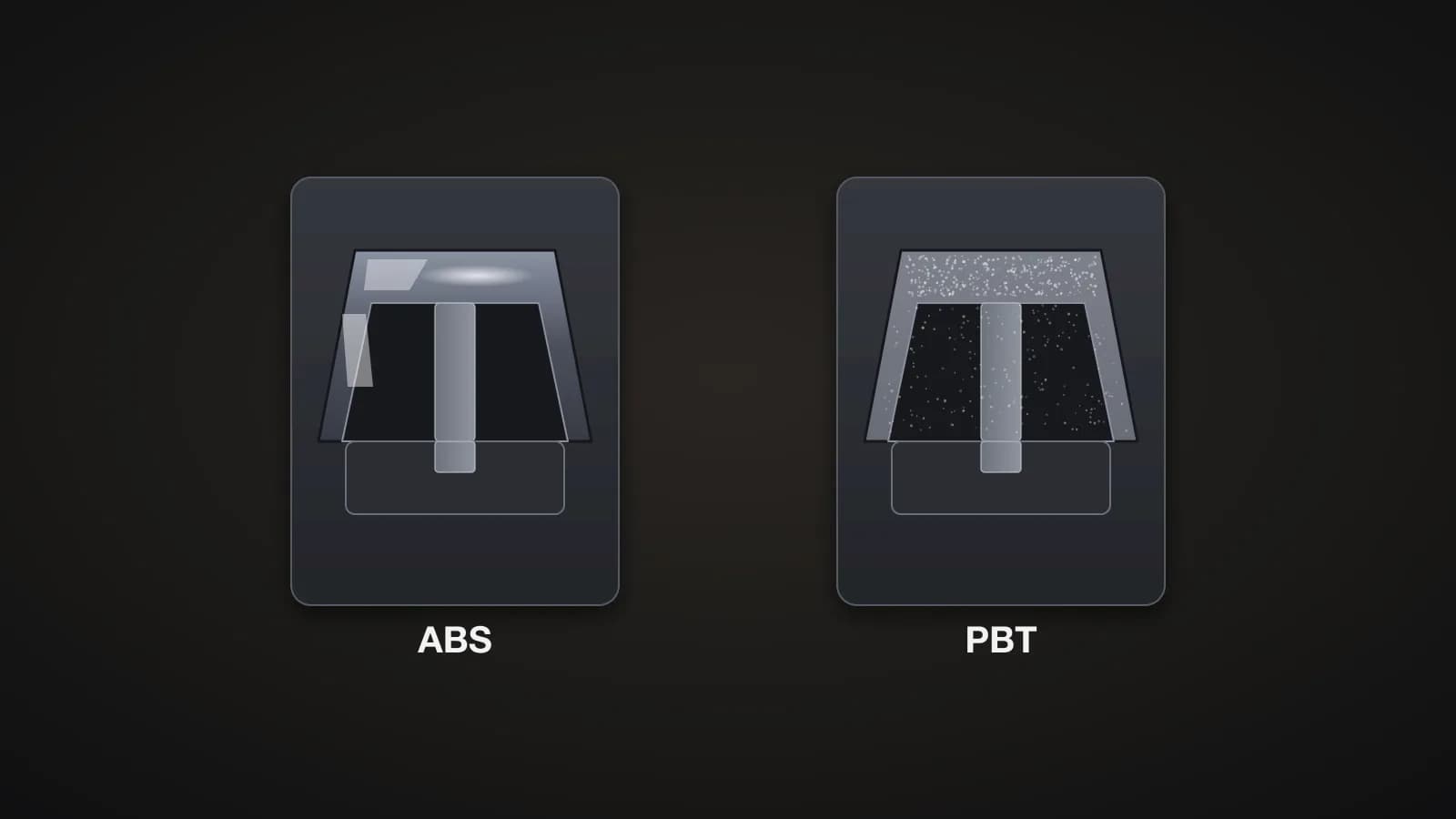
PBT and ABS are the two plastics most keycaps are made from. Keycap sellers describe ABS as smooth and glossy, with a surface that tends to shine with use. They describe PBT as harder and more textured, and more resistant to shine and wear. Wooting says PBT is "harder and more resistant to wear", and Akko says ABS is "prone to shine and wear over time".
If you want a matte surface that makers say holds its finish longer, start with PBT. If you want a smooth surface, vivid colour or legends that light up, ABS can fit better. That is editorial advice, because the pages we read describe each plastic but do not say which one suits you, and none of them offers a measured lifespan.
How this guide works
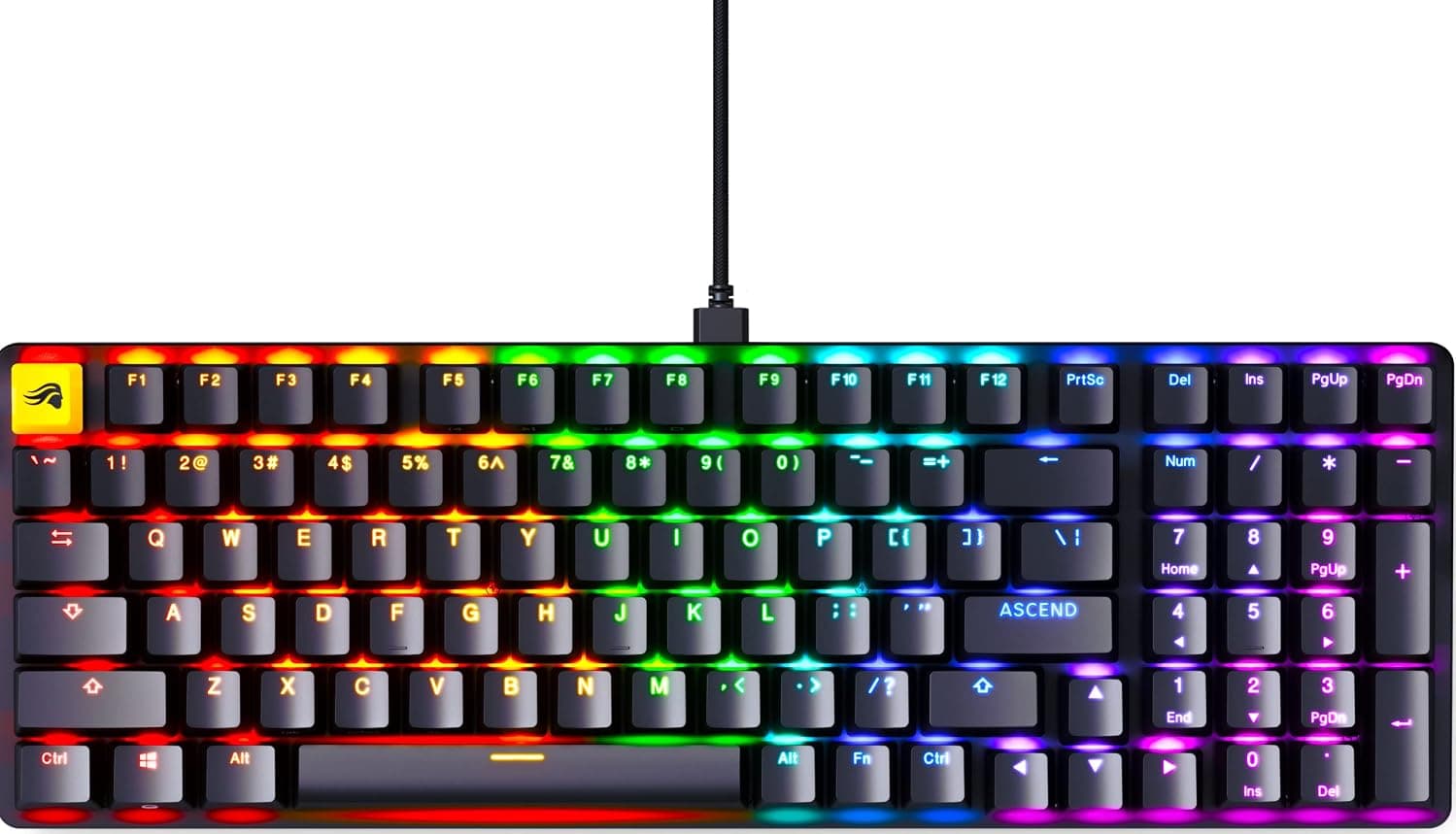
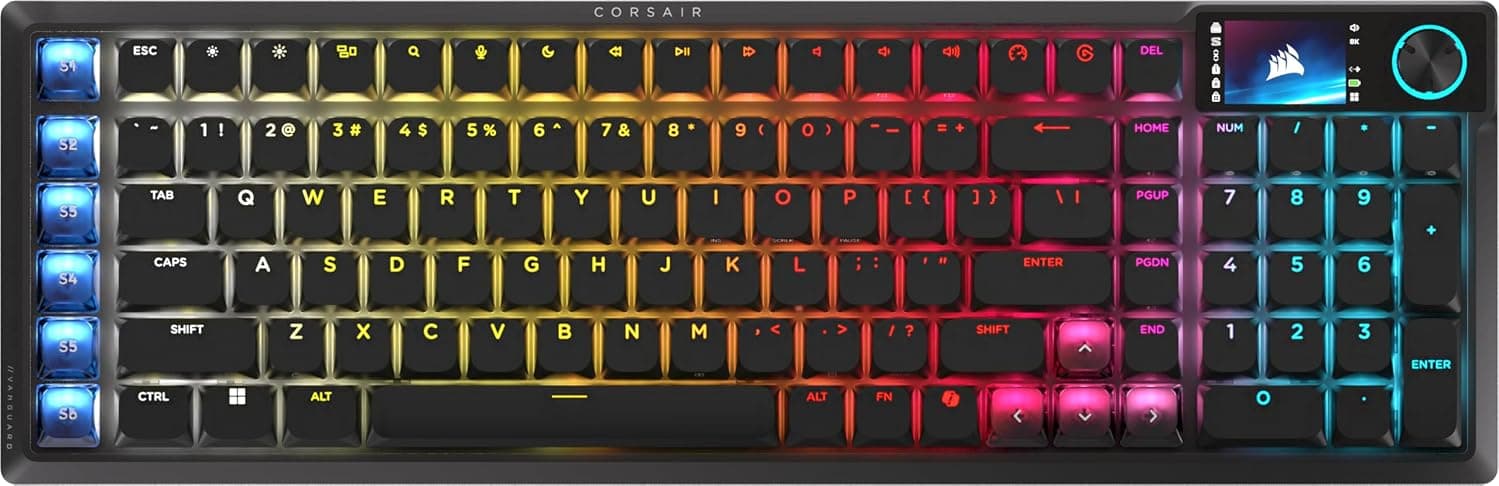
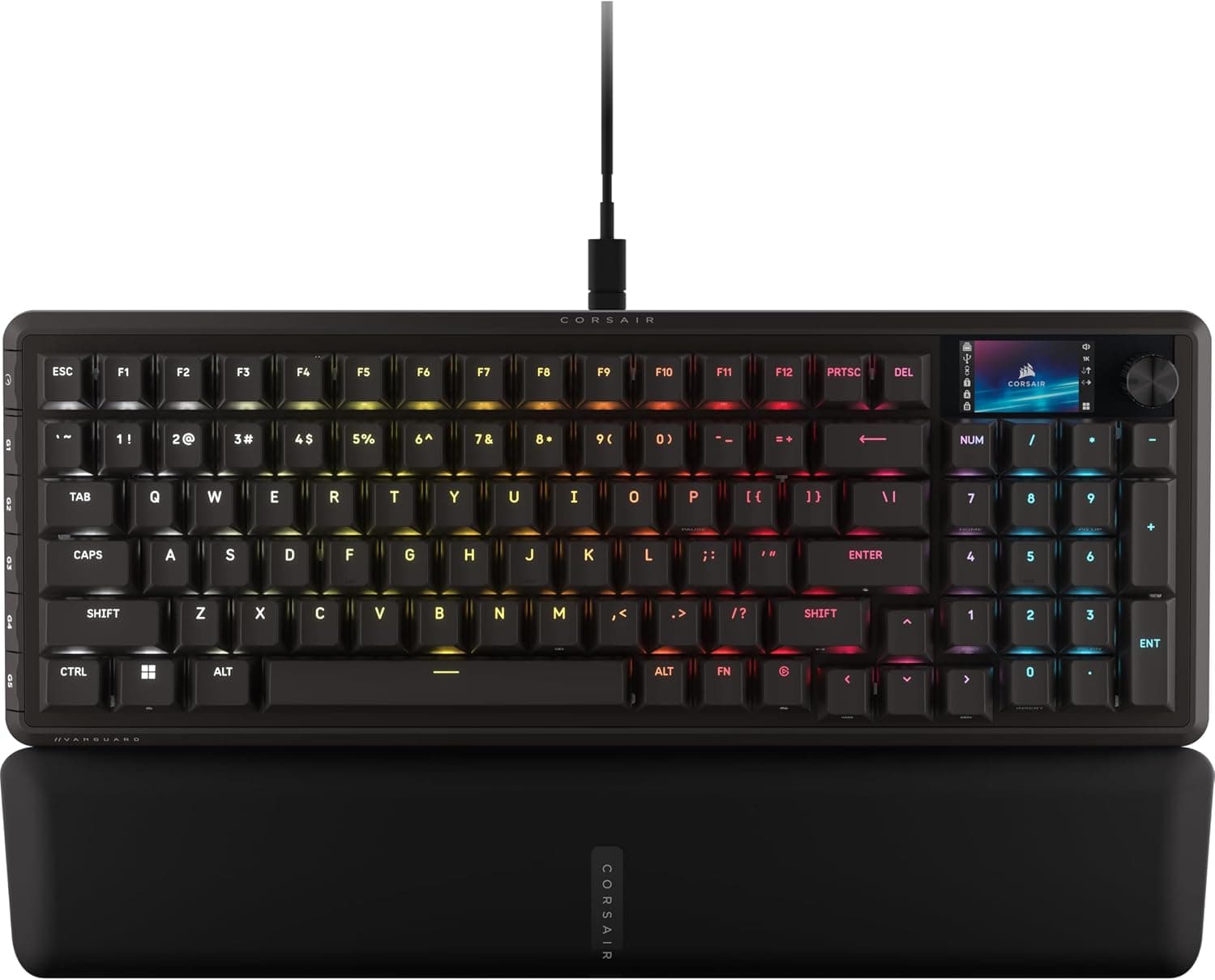
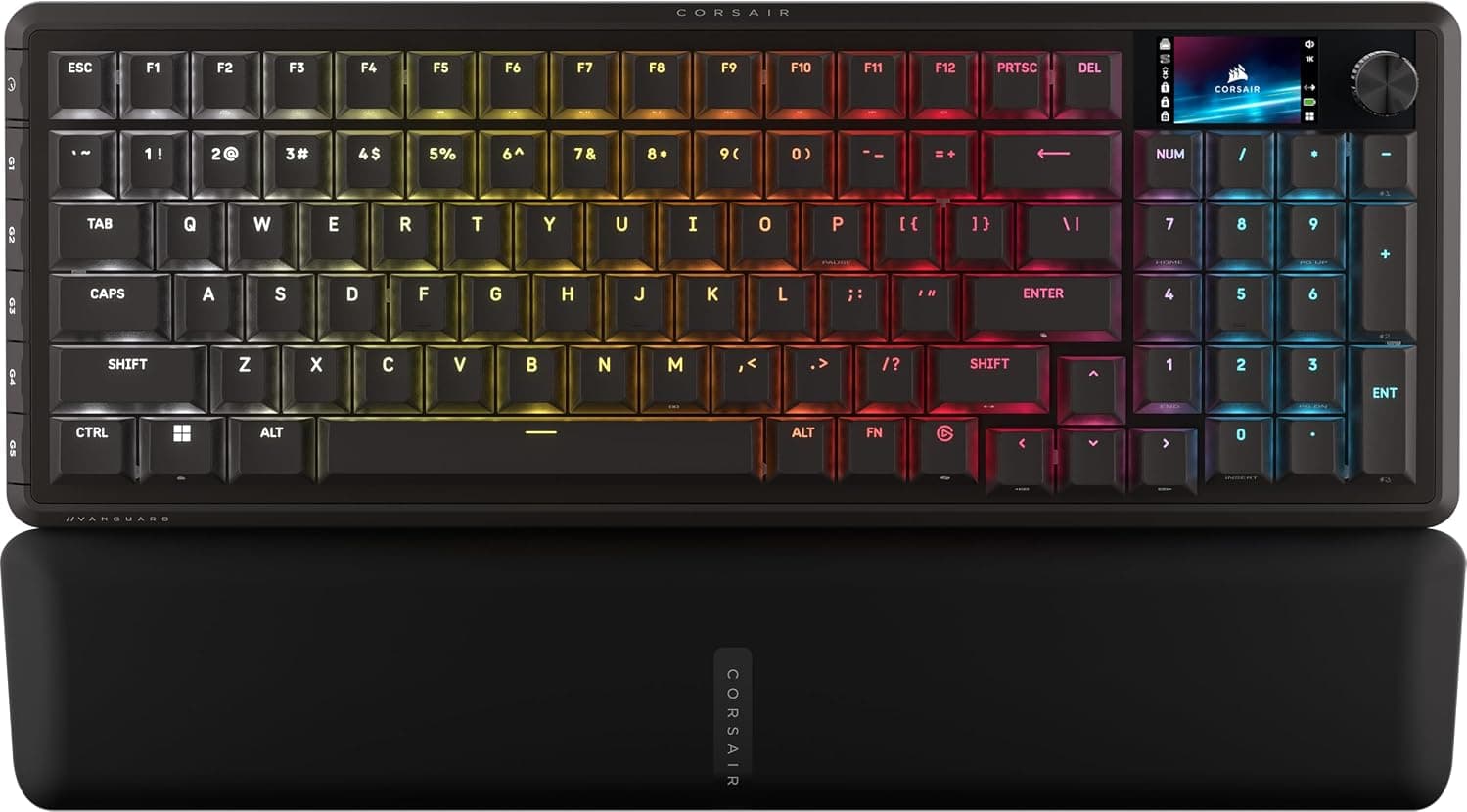
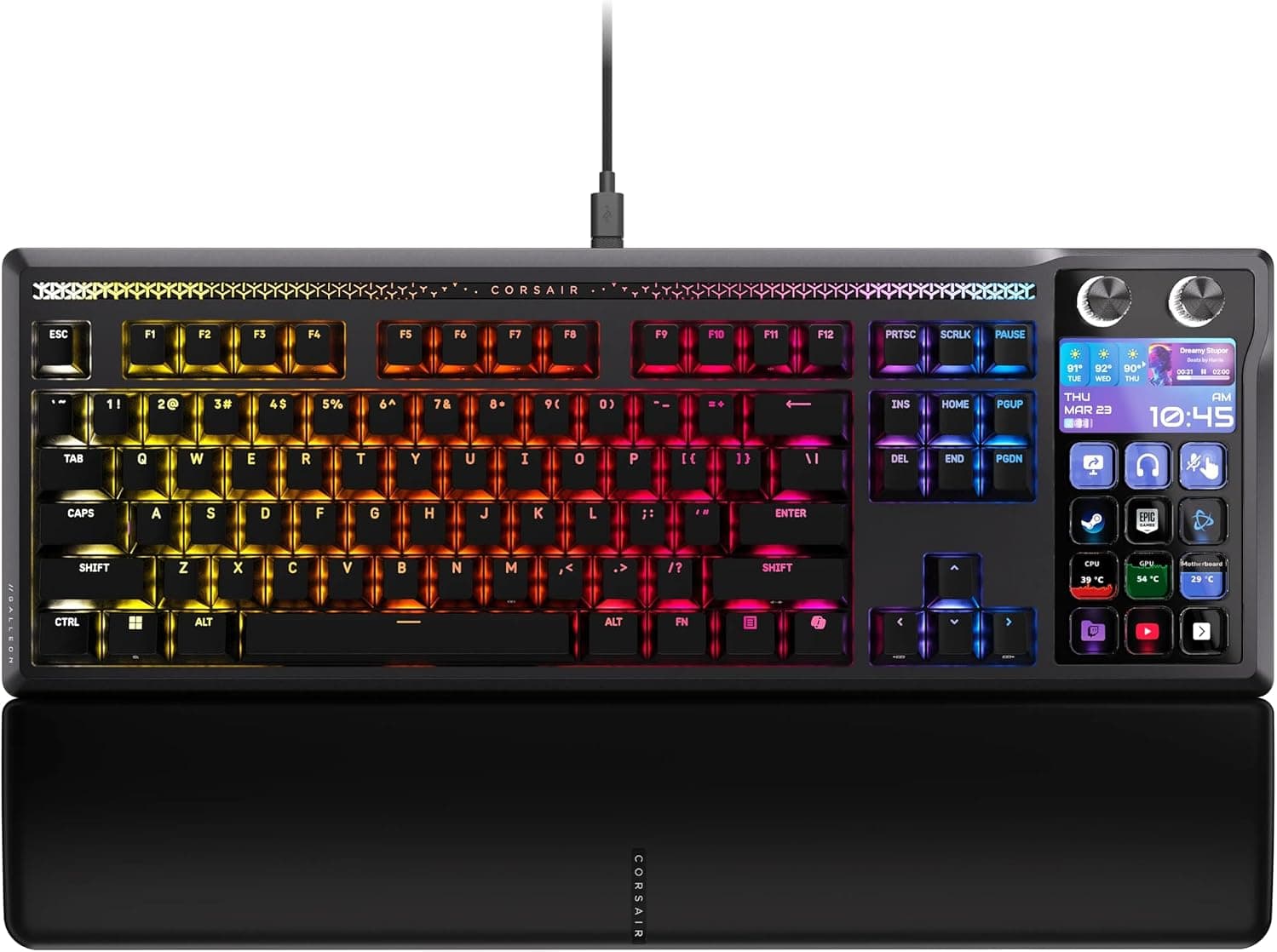
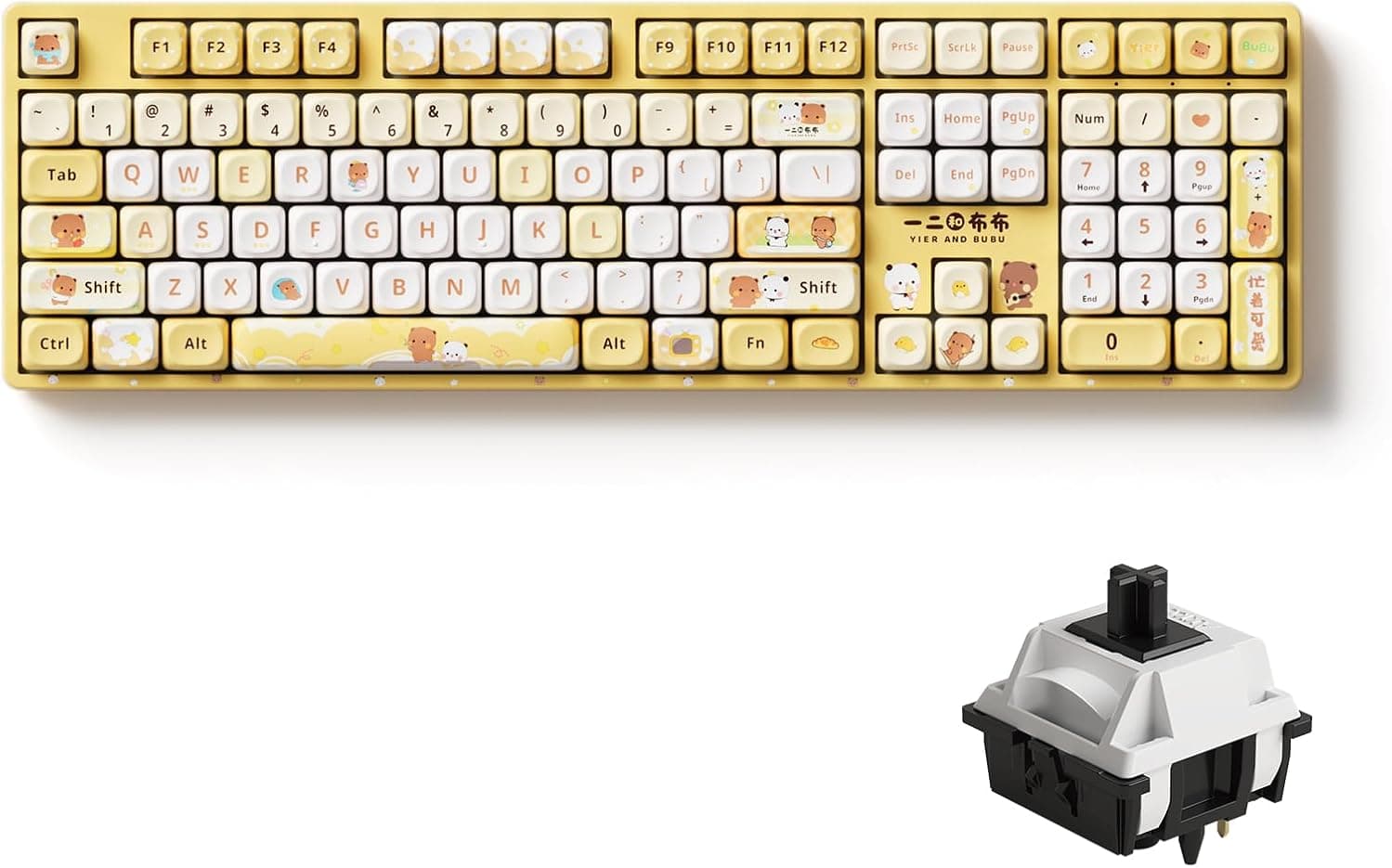
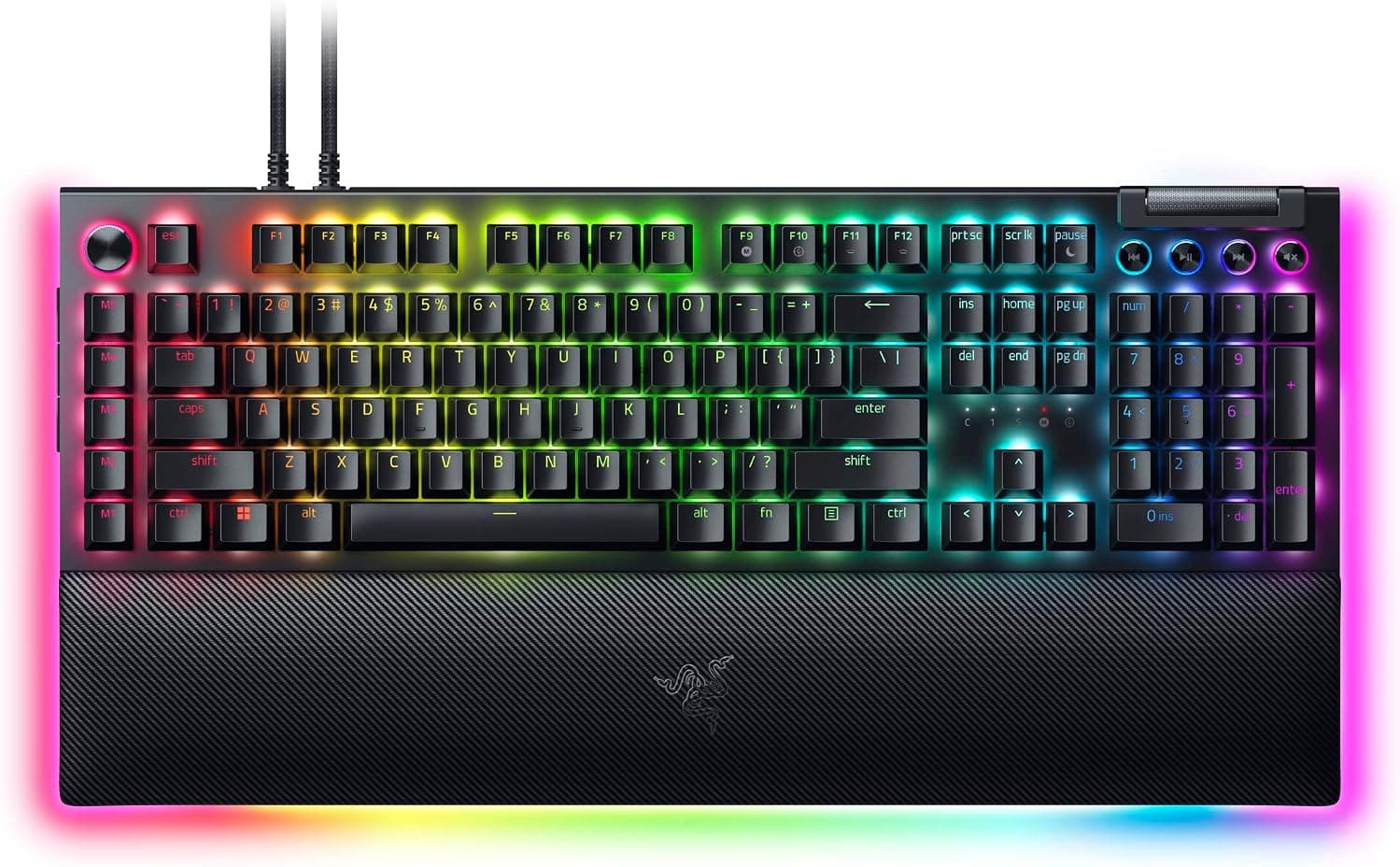
Three keyboards from our catalog anchor the examples: the Razer BlackWidow V4 X, the Ducky One 3 and the Corsair K100. Every statement about keycaps comes from a maker page. The general PBT and ABS descriptions come from keycap sellers Wooting, Glorious and Akko, and the keyboard examples come from Razer, Ducky and Corsair. We have not handled any of these keyboards, so we compare documentation and not wear. Where a point is our own reading, the text says so.
One caution applies to every source here: keycap sellers sell keycaps. Their pages are useful for definitions and shared claims, and weaker for anything that would need a test, such as how many months a keycap takes to shine.
What ABS and PBT are
ABS and PBT are both plastics that keycap makers mould into caps. Wooting describes ABS caps as having "a smoother and glossier surface" and PBT as having "a slightly textured surface". Akko makes the same contrast, describing PBT as having a "distinctive matte feel".
Makers also describe a difference in cost. Wooting calls PBT "generally more expensive to produce", and Glorious says PBT is harder to injection-mould than ABS, which raises manufacturing cost. We quote no prices here, because the product pages carry current values.
Shine and wear
This is the claim that drives most buying decisions, and the sellers agree on it. Wooting says ABS caps "tend to wear out and shine over time". Akko says ABS can become "shiny and sticky". Glorious describes the shine as "the plastic itself wearing down", most visible on the spacebar, the WASD cluster and the home row.
For PBT, Wooting says the material is harder, Akko says it resists wear and shine, and Glorious ties that to density. All three also stop short of promising anything. Glorious says "None of this means PBT never shows wear" and that there is "no fixed timeline anyone can honestly give you". Our reading is that PBT is the safer pick if shine bothers you, but none of these pages shows a test, so it is a claim from sellers and not a measured result.
Sound and feel
Here the pages disagree, which is a reason to be careful. Akko says ABS makes a "higher-pitched, sharper sound" and PBT a "deeper, more muted sound". Wooting says PBT has "a softer and deeper sound profile". Glorious says PBT is "usually slightly louder" and crisper, and that ABS "runs quieter and smoother".
We did not measure any keycap, so we draw no conclusion about which is quieter. The keyswitch, the case and the keycap thickness all sit in the same sound path, and none of the pages isolates the plastic. If sound matters to you, our quiet keyboard guide explains what makers document about noise.
Texture is clearer. Both Wooting and Akko describe PBT as slightly textured or rougher and ABS as smooth, so the feel on the fingertip is a matter of preference more than quality.
How the legends are made
The legend is the printed letter on the key. How it is made can matter as much as the plastic, and it works across both materials. Glorious describes a doubleshot legend as a second plastic shot rather than a printed layer, and says it works on both ABS and PBT. Wooting describes doubleshot PBT as two layers of PBT moulded together.
Dye-sublimation is a different process: Glorious describes it as infusing colour directly into the plastic surface, and Akko says PBT is the best material for it. Printed legends are the weak spot. Glorious says pad-printed legends, whether PBT or not, wear off with use.
Our reading: a PBT cap with printed legends can lose its letters, and an ABS cap with doubleshot legends keeps them. When you read a listing, look for the legend method as well as the plastic. Razer says its doubleshot method is meant "to ensure the labelling never wears off", and Ducky says its doubleshot legends are meant to "never fade away even after multiple years of use". Those are maker statements, not test results.
Colour, backlight and heat
Glorious says ABS holds vivid, saturated dye better than PBT, and Wooting says ABS suits intricate legends. That gives ABS an edge if you want bright colours.
Backlight is more mixed. Akko says ABS can be made translucent and that PBT is not light-transmissive, which would make ABS the choice if you want legends that glow. Glorious sells a translucent doubleshot PBT set made for RGB shine-through, so the claim is not universal. If you type without looking at the keys it matters little. If you rely on the lit legends, our white backlight versus RGB guide covers how to read a lighting claim.
Akko adds one more difference. It says ABS weakens and deforms above 80 degrees Celsius and is not heat resistant. Akko makes that point while explaining why dye-sublimation is paired with PBT. Our reading is that it is a manufacturing detail and not a reason to avoid ABS on a desk.
What three catalog keyboards say
| Razer BlackWidow V4 X | Ducky One 3 | Corsair K100 | |
|---|---|---|---|
| Keycap material | Doubleshot ABS | PBT, double-shot | PBT, double-shot |
| What the maker says | Doubleshot molding "to ensure the labelling never wears off"; "extra-thick walls" | "True PBT"; legends "never fade away"; frosted surface | Resists "wear, fading, and shine"; 1.5 mm thickness; standard bottom row |
| What the page does not give | Any wear or shine test | Any wear or shine test | Any wear or shine test |
The three examples line up with the generic claims. Razer uses ABS and leans on a doubleshot process and thick walls to protect the legends. Ducky and Corsair use PBT and describe frosted or wear-resistant surfaces. None of them publishes a test, so the table compares what the makers wrote, and it does not rank the keyboards.
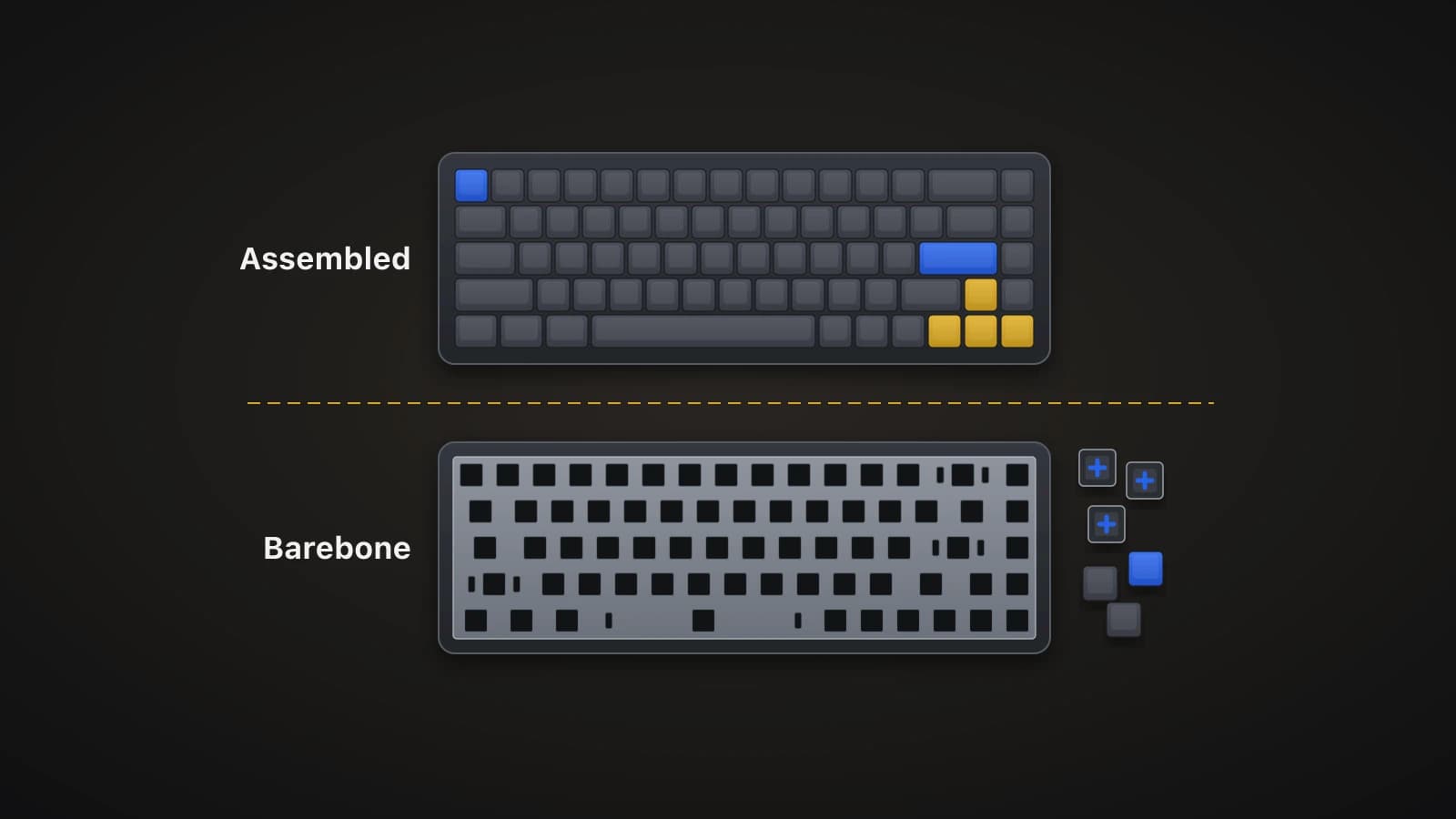
Ducky's page also lists the One 3 as 100% layout with hot-swappable switches. That applies to the switches and not the keycaps, so it does not change the material discussion. Our fully assembled versus barebone guide explains why a listing's box contents matter when keycaps are part of what you buy.
Which material fits which buyer
PBT fits a buyer who dislikes shiny keys and wants a matte, textured surface. Makers say it resists shine longer, but no page gives a timeline, so treat it as a likelihood.
ABS fits a buyer who prefers a smooth surface, wants vivid colour or wants translucent legends for backlight. Makers say it shines sooner, so a buyer who types heavily on a few keys should expect that.
Legend method matters in either case. A doubleshot or dye-sublimated legend is part of the plastic, according to Glorious, and a printed one can wear off. If you use a layout with different modifier labels, our Mac versus Windows layout guide shows how to check the legends on the keys you press most.
Finally, keycaps can be replaced on many boards. Corsair describes a standard bottom row layout for its K100 set, which is the detail to look for if you want to use other sets. Whether any keyboard accepts them depends on its layout, so confirm that before assuming you can fix a keycap choice later.
Check the exact version before you buy
Each of our catalog keyboards is sold in more than one configuration. Our catalog record for the BlackWidow V4 X covers the linear version. The Ducky One 3 page lists several Cherry MX switch options, and the Corsair K100 RGB page offers two switch types. The keycap statements above come from the maker pages, so a different edition or colourway might ship a different set.
The product title, the colour option and the box contents on the listing should name the keycaps. If they do not, treat the keycap material as unconfirmed.
A checklist before you buy
- Does the listing name the keycap material (PBT or ABS), or only "durable keycaps"?
- Does it name how the legends are made: doubleshot, dye-sublimation or printed?
- If you rely on lit legends, does the maker say anything about shine-through?
- Is the shine or wear claim a maker statement with no method? If so, do not rank boards by it.
- Is the keycap thickness stated, and is it a maker figure for this exact set?
- Does the listing say the bottom row is standard, if you plan to swap sets later?
- Does the colour or edition you are buying match the maker page you read?
If you cannot mark an answer confirmed, treat it as unresolved and ask before you buy.
What the documentation cannot tell you
The pages we read do not say how long any keycap takes to shine, how any of them sounds, or how they feel after months of use. The general PBT and ABS descriptions come from companies that sell keycaps, and the keyboard pages come from the makers of those keyboards. For anything about sound or wear in practice, look for an independent measurement and note whether it covers a keycap set or a complete keyboard.
Sources and shopping links
This documentation-led guide uses Wooting's ABS vs PBT keycaps explained (opens in a new tab), Glorious's PBT vs ABS keycaps guide (opens in a new tab), Akko's ABS vs PBT keycap article (opens in a new tab), and the maker pages for the Razer BlackWidow V4 X (opens in a new tab), the Ducky One 3 (opens in a new tab) and the Corsair K100 RGB (opens in a new tab). It does not claim hands-on testing. Confirm every feature against the exact version you will receive. We quote no prices or stock levels, because the product pages carry the current values.
As an Amazon Associate we earn from qualifying purchases.
If the exact versions meet your checklist, view the catalog-matched Amazon listings for the Razer BlackWidow V4 X (opens in a new tab), the Ducky One 3 (opens in a new tab) or the Corsair K100 (opens in a new tab). All three are affiliate links. Read the keycap material named on the Amazon listing before you order, since this guide cannot vouch for every seller's configuration.